Cooking
Addis Ababa Meat Prices Prompt Consumer Boycott Campaign Amid Ethiopia's Vast Livestock Herds
Share:
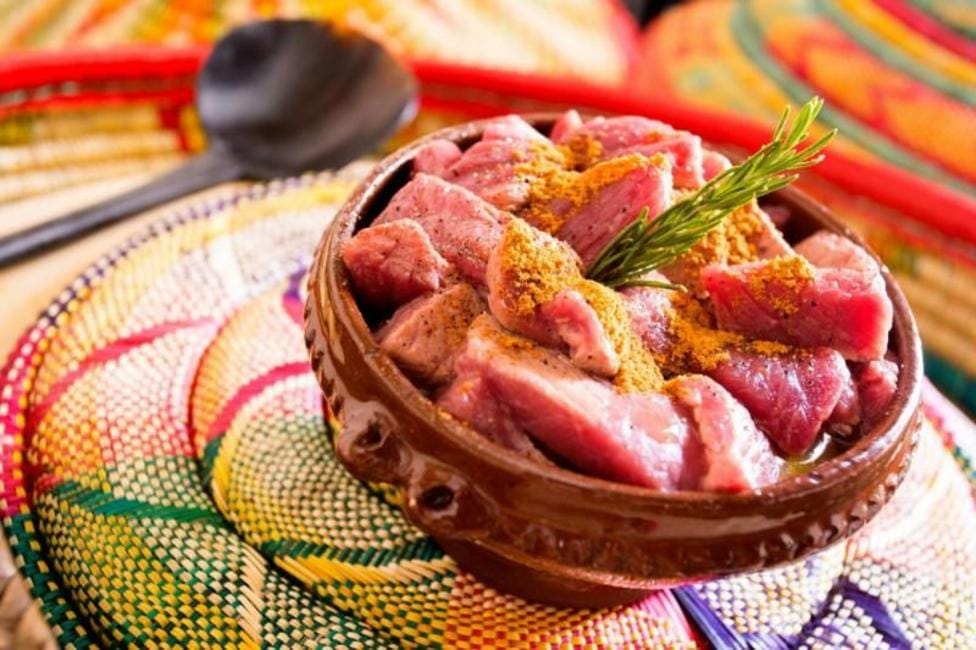
A sharp rise in meat prices in Addis Ababa has prompted an online consumer campaign urging residents to stop buying meat until butchers lower their prices. The backlash comes in a country with one of the largest livestock populations in Africa, where meat is central to the food culture.
According to a report by BBC Tigrinya, the campaign spread on social media after reports that a kilogram of beef at some outlets had reached between 6,000 and 7,000 birr.
Efrem Abdo, a TikTok user who supports the boycott, told the BBC that meat that cost about 2,000 birr per kilogram three years ago now sells for around 7,000 birr at the most expensive outlets. He said prices vary widely across the city:
Efrem said the campaign is gaining public support and that many butcheries have already lost customers.
The pressure extends beyond the capital. In Adama, Ifa Dabi, who has sold goat meat for a decade, said the number of his customers has fallen by about 70 percent. He said the price of a single goat has risen from 5,000 birr to 20,000 birr, and that a kilogram of goat meat in Adama now sells for about 3,500 birr.
Asfaw, an Addis Ababa resident who runs his own business, said he and his friends used to share a meat meal at least once a week outside fasting periods but now manage it about once a month. He told the BBC that few people can afford upscale restaurants, but that for him and many others, housing rent is a heavier burden than the cost of meat.
Tesfa Neda, who promotes butcheries on TikTok, said meat restaurants expanded quickly after the COVID-19 pandemic. As hotels and the wider hospitality sector slowed, butcheries became an attractive business, and they replaced cafés as popular meeting places, he said. He estimated that fewer than 50 butcheries in Addis Ababa meet good standards of hygiene and service.
Tesfa acknowledged that prices do not match what most residents can afford, but argued that online campaigns alone will not solve the problem. He pointed to a long supply chain of livestock traders, brokers, suppliers and butchers, and said research is needed to identify where costs are being added. Breed, quality, feeding and rearing practices also affect prices, he said.
Economist Dr. Constantinos Berhe-Tesfa said rising meat prices cannot be separated from broader inflation. He pointed to the weakening of the birr, which he said has fallen from about 56 to more than 160 per US dollar, raising the cost of imported goods such as cooking oil, sugar and baby food.
He also cited conflict, which he said has disrupted production in affected areas and made it harder to move goods to urban markets.
Dr. Constantinos described the public response as an important starting point. Well-organised consumer associations could help resist price increases and push traders to comply with commercial law, he said, but he noted that in a market economy the government's ability to set prices directly is limited.
Addis Ababa's trade and security offices have held talks with butchery owners. The trade office identified brokers as a factor driving up prices. Habiba Siraj, head of the city trade office, said residents' purchasing power must be taken into account.
Lidya Girma, head of the city's peace and security administration office, said authorities are working to remove illegal traders and tighten oversight. Officials said butchery owners, through their association, have agreed to adjust prices soon. No timeline or specific figures were given.
According to the BBC report, which cited United Nations figures, Ethiopia has more than 70 million cattle, over 95 million sheep and goats combined, and about 8 million camels. The livestock sector accounts for roughly 20 percent of export earnings and supports millions of livelihoods.
Source: BBC Tigrinya
Picture: BBC Tigrinya

Cooking
A researcher at Arba Minch University has spent more than a decade developing value-added enset products, according to the Amharic edition of The Reporter. The work aims to bring one of Ethiopia's key indigenous food crops to new markets.