Ethiopia
Ethiopia, Eritrea and the TPLF Reportedly Trade Sharper Accusations as Regional Tensions Persist
Share:
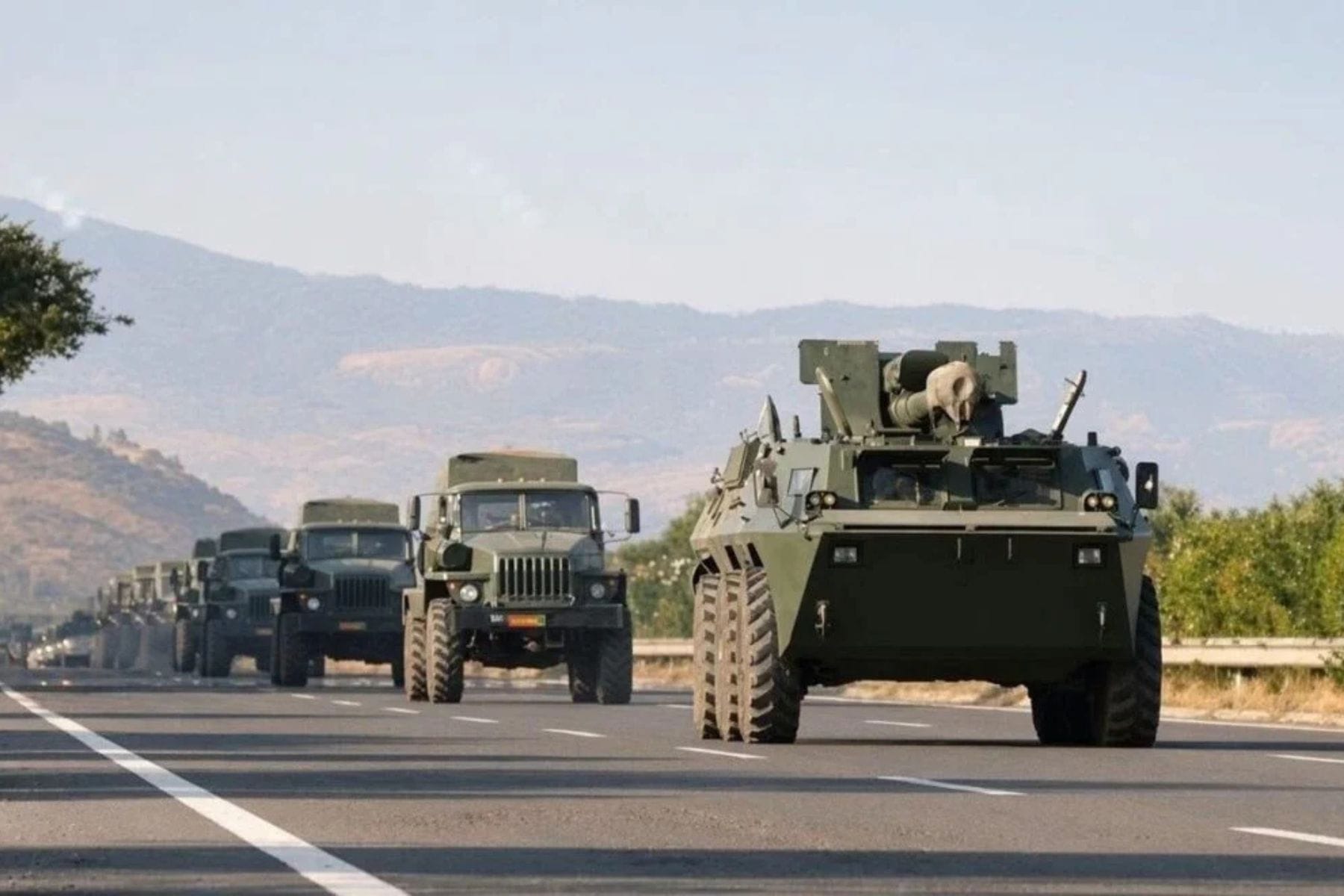
The war of words between Ethiopia's federal government, neighbouring Eritrea and the Tigray People's Liberation Front (TPLF) appears to be intensifying, according to recent reports in regional media, including Kulu Media. The exchanges add to concerns about stability in the Horn of Africa, nearly three years after a peace deal ended the war in northern Ethiopia.
Addis Gazette could not independently verify the details of the most recent statements at the time of writing. The reported escalation follows a pattern of mutual recrimination among the three parties.
Ethiopian federal officials have accused Eritrea of interfering in Ethiopia's internal affairs. They have also alleged that elements within the TPLF are aligning with Asmara against the federal government. Eritrean officials have rejected these claims and have in turn accused Addis Ababa of harbouring hostile intentions toward their country.
The TPLF itself is divided. Rival factions have contested control of the regional leadership, and each has blamed the other for the slow implementation of the peace process.
The war between federal and Tigrayan forces began in November 2020. Researchers and humanitarian organisations have described it as one of the deadliest conflicts of recent decades. Eritrean troops fought alongside the Ethiopian military during the war.
The fighting ended with the Cessation of Hostilities Agreement, signed in Pretoria, South Africa, on 2 November 2022 under African Union mediation. Eritrea was not a party to the agreement. Its continued influence in the region has remained a point of contention for Tigrayan leaders and international observers.
Key elements of the agreement remain incomplete, including:
Relations between Addis Ababa and Asmara have cooled markedly since 2023. In October that year, Prime Minister Abiy Ahmed publicly described access to the Red Sea as an existential matter for landlocked Ethiopia. The remarks were received with alarm in Eritrea.
Ethiopian officials have repeatedly said the country seeks sea access only through peaceful means. Even so, the issue has become a recurring source of friction and suspicion between the two governments.
Analysts and humanitarian organisations have warned that any return to armed confrontation would have severe consequences. Tigray and surrounding areas are still recovering from the destruction and displacement caused by the war. Diplomats have urged all sides to exercise restraint and to resolve disputes through dialogue.
Some observers note that heated rhetoric does not necessarily signal imminent conflict. They say, however, that it narrows the space for de-escalation in an already volatile region.
The African Union, which brokered the Pretoria deal, has previously called on the parties to honour their commitments. Several international partners have stressed that the agreement remains the primary framework for lasting peace in northern Ethiopia.
Addis Gazette has contacted the parties for comment and will update this report as official statements become available.
Source: Kulu Media
This article was prepared with the help of AI tools and checked by an editor before publication.