Drone Strike on Amhara Displacement Camp Kills at Least 16, Reports Say; Tolls Vary
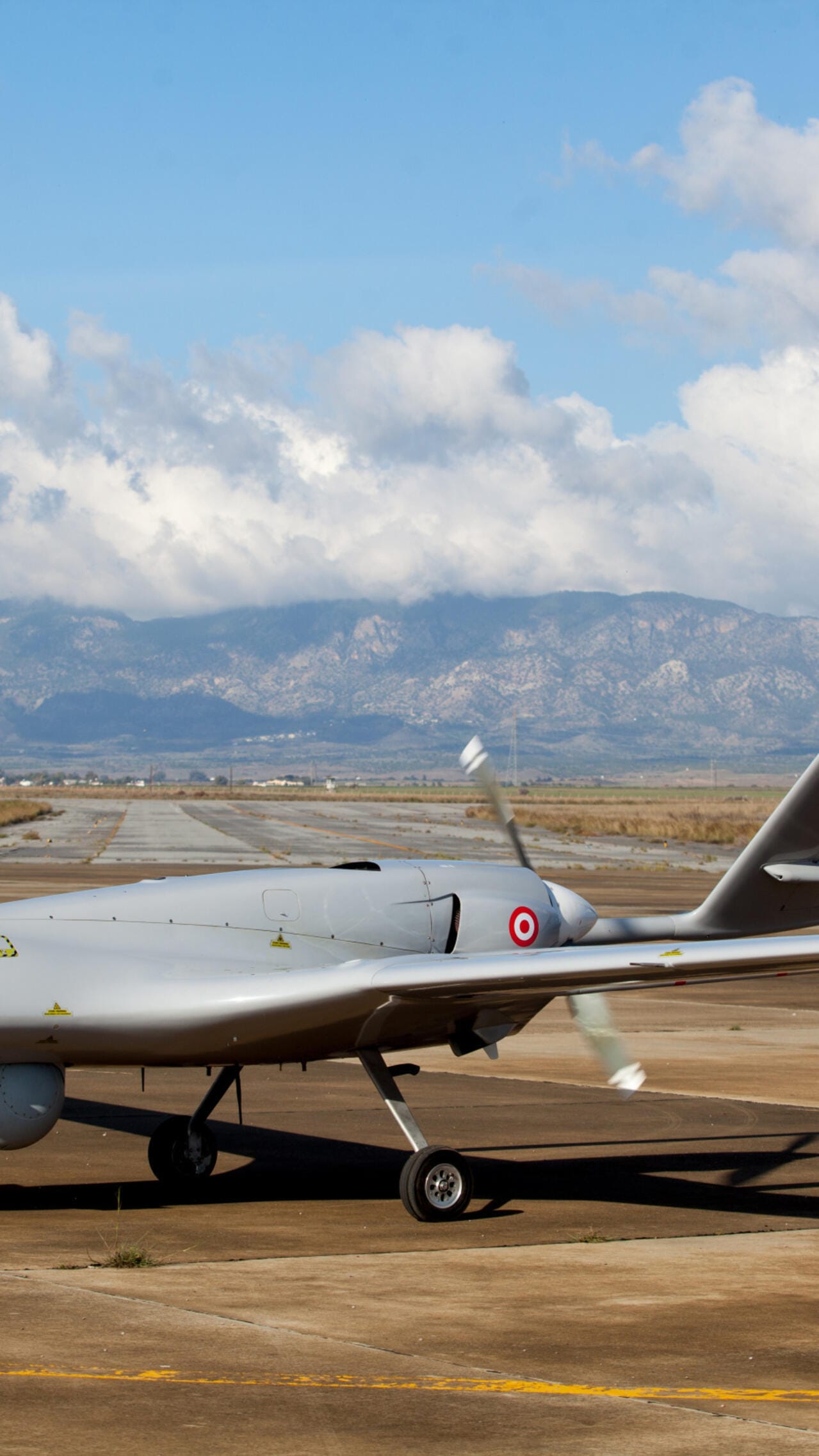
A drone strike on a camp for internally displaced people in Ethiopia's Amhara region killed at least 16 civilians and wounded 22 others on Thursday, October 29, according to camp residents who spoke to the Ethiopian outlet Addis Standard and a report by Anadolu Agency. Other outlets have reported different death tolls.
Anadolu identified the site as the Hayiq Jari 2 Turk camp near the town of Hayiq, which it said was about 430 kilometres northeast of Addis Ababa. The Ethiopia-focused outlet Borkena put the death toll at 18 and said the camp was in South Wollo. A later Borkena headline said at least 24 displaced people had been killed in a drone strike in Amhara. Citizen Digital reported in a headline that drone strikes had killed 14 people, including children, in Amhara. It was not clear from those headlines whether they referred to the same attack.
Residents told Addis Standard that the dead included three pregnant women, an eight-year-old girl and students. They said the attack took place at about 11 a.m. One witness said the camp was hit at least five times, roughly 15 minutes apart, while people were inside their shelters. "We never expected a drone to attack the camp," the witness told Addis Standard.
According to Anadolu, the conflict monitor Frontlines Ethiopia also documented the attack.
The wounded were taken to Hayiq Hospital, and the most seriously injured were transferred to Dessie Hospital, a witness told Addis Standard. Residents said more than 20 shelters burned, leaving families without cover or belongings. They said relatives were separated as people fled and that some still did not know where family members were. One resident told the outlet that at least 15 of the dead were buried in a single grave because there was no room to bury them separately.
Addis Gazette has not independently verified the death toll or the circumstances of the strike. It remains unclear who carried out the attack. Neither Addis Standard nor Anadolu attributed responsibility. At the time of writing, Addis Gazette had not seen an official statement on the incident from federal or regional authorities.
Earlier reports of civilian deaths
The strike adds to a series of reported drone strikes that have killed civilians in Amhara since fighting broke out in 2023 between federal forces and Fano, a loosely organized network of Amhara militias. The conflict escalated in mid-2023, and the federal government declared a state of emergency in the region that August.
Since then, the Ethiopian Human Rights Commission, the country's national human rights institution, and United Nations bodies have raised concerns about reports of civilians killed in airstrikes and drone strikes, some of which were reported to have hit markets, roads and residential areas. Government officials have generally said their operations target armed groups, not civilians.
Borkena has separately reported, in a headline, a drone strike in South Gondar that killed at least six schoolchildren.
Communication restrictions, limited access for journalists and insecurity on roads have made it difficult to independently document incidents in many parts of Amhara. Casualty figures are often hard to confirm in the immediate aftermath of an attack.
Displaced people at risk
The Amhara region hosts large numbers of internally displaced people. Some fled the 2020–2022 war in northern Ethiopia. Others were displaced by more recent violence in the region or by insecurity in neighbouring areas. Many live in camps or informal settlements with limited services and rely heavily on humanitarian assistance.
The Hayiq Jari 2 Turk camp shelters more than 1,800 people, according to Addis Standard and Anadolu. Many of them fled violence in Oromia region, including the Wollega area. "We fled from Wollega to save our lives, but the worst has happened here," one resident told Addis Standard. Residents said humanitarian organizations had largely stopped delivering aid to the camp before the attack, and that repeated requests for help to the regional government had brought little response.
Addis Standard reported on October 6 that displaced people in Debre Birhan and other camps across Amhara faced growing shortages of food, medicine and health care as aid groups cut back or withdrew operations because of funding constraints. According to the outlet, many of them came from Oromia's Kelem Wollega, East Wollega, West Wollega, Horo Guduru Wollega and West Shewa zones, and some have been displaced since 2022.
Aid agencies have repeatedly warned that the conflict in Amhara has disrupted food deliveries and health services, and that displacement sites are particularly exposed when fighting spreads to nearby areas.
Under international humanitarian law, parties to an armed conflict must distinguish between combatants and civilians and take all feasible precautions to avoid harming civilians and civilian objects. Camps sheltering displaced people are civilian objects and are protected from attack unless they are being used for military purposes.
Calls for accountability
Rights groups have previously urged Ethiopian authorities to carry out independent and transparent investigations into reported strikes that killed civilians and to make their findings public. They have also called on all parties to the Amhara conflict to protect civilians and allow unimpeded humanitarian access.
Questions that remain unanswered about the strike on the Hayiq Jari 2 Turk camp include:
Who carried out the attack
How many people were killed, given the differing tolls reported by different outlets
What treatment and emergency shelter are available to the wounded and to families who lost their homes
Whether authorities will open an investigation
Addis Gazette has sought further information and will update this report as more details become available.
Sources: Borkena, AllAfrica – Ethiopia, Anadolu Agency – Africa (Turkish state), Citizen Digital,
Related Articles
Politics
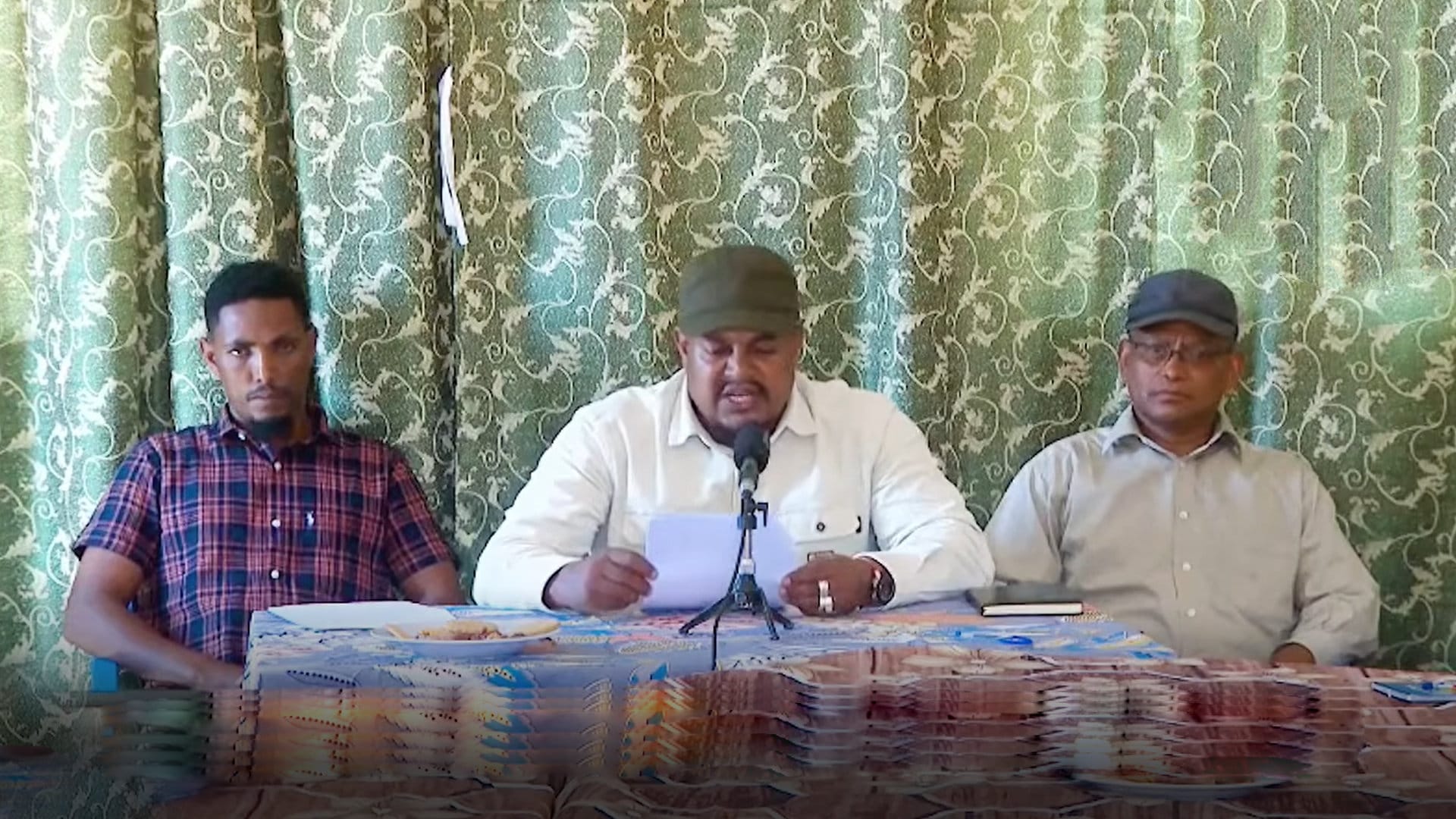
Ethiopian Opposition Alliance Calls for Inclusive Political Transition
A coalition of Ethiopian armed group seeking to violently unseat the Ethiopian government says replacing the current administration would not by itself resolve the country's crises. It is calling for a nationwide transitional process instead.
Politics
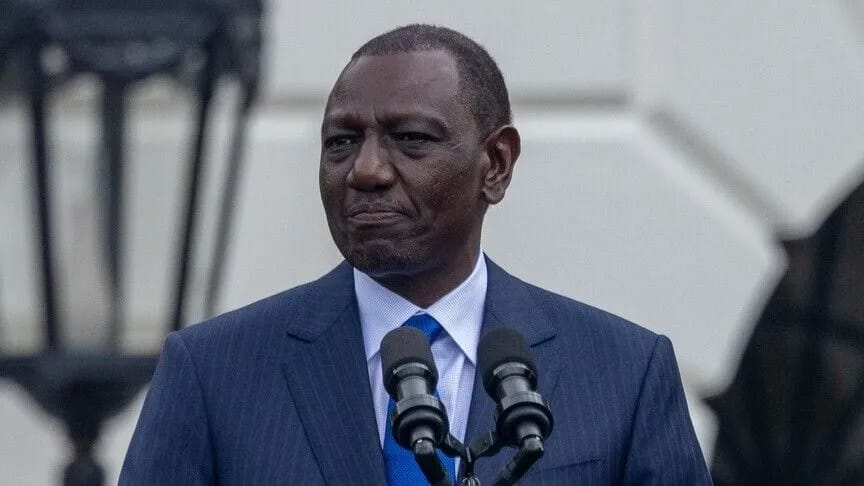
Kenyan MPs urge Ruto to intervene as Moyale clashes push nearly 15,000 people into Kenya
Lawmakers from northern Kenya have asked President William Ruto to intervene diplomatically in Ethiopia. Clashes on the Ethiopian side of Moyale have driven nearly 15,000 people across the border, Anadolu Agency reported.