Crisis Group Podcast Examines Eritrea's Outlook as Tensions With Ethiopia Persist
The International Crisis Group's podcast The Horn has released an episode on Eritrea featuring Reuters journalist Giulia Paravicini, who recently travelled to Asmara. Press freedom groups regularly rank Eritrea among the world's most closed countries. The conversation with host Alan Boswell comes as relations between Eritrea and Ethiopia remain tense. It follows an earlier episode of the podcast titled Ethiopia and Eritrea, On the Cusp of War.
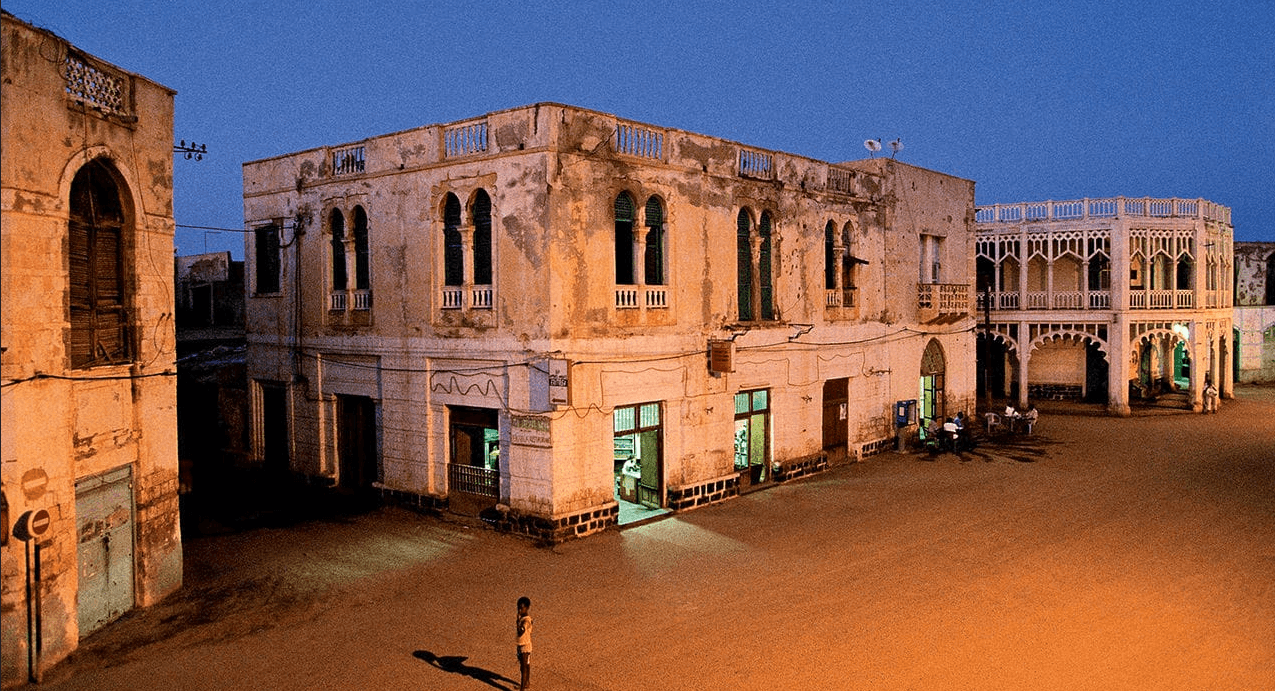
A rare look inside Asmara
Foreign journalists are rarely granted access to Eritrea. President Isaias Afwerki has led the country since 1991, when Eritrean forces took control of the territory, and has been president since formal independence in 1993. Eritrea has never held national elections, and independent outside scrutiny is limited. The episode draws on Paravicini's trip to describe daily life in the capital and her meetings with Eritrean officials.
The episode also considers the future of a leadership that has held power for more than three decades. The podcast describes that leadership as aging and notes that the question of succession remains unresolved.
Sea access and the port of Assab
A central theme of the discussion is how Asmara views Ethiopia's push for access to the sea. Ethiopia became landlocked when Eritrea gained independence. Prime Minister Abiy Ahmed has repeatedly described direct access to the Red Sea as vital to Ethiopia's future.
According to the episode summary, Eritrean officials fear an attack on Assab, a port in southern Eritrea that lies relatively close to the Ethiopian border. Assab often features in Ethiopian public debate about the country's maritime ambitions. Ethiopian officials have said they intend to pursue sea access through peaceful means.
Tigray and allegations of proxy support
The episode also addresses allegations that Eritrea supports Ethiopian armed opposition groups, as well as reports of Eritrean troop movements into Tigray.
Eritrean forces fought alongside Ethiopia's federal army against Tigrayan forces in the 2020–2022 war. Eritrea was not a party to the Pretoria agreement, signed in November 2022 by the Ethiopian government and the Tigray People's Liberation Front (TPLF), which ended that conflict. Relations between Asmara and Addis Ababa have deteriorated since. Paravicini and Boswell discuss whether the two countries could be drawn into open war.
Regional realignments
The final part of the episode looks at Eritrea's foreign relations. Topics include:
- Eritrea's growing ties with Egypt, which has long been at odds with Ethiopia over the Grand Ethiopian Renaissance Dam;
- renewed contact between Asmara and Washington after years of strained relations;
- whether Eritrea can benefit from the Red Sea's growing strategic importance amid wider instability in the Middle East.
Paravicini's recent reporting for Reuters covers similar ground. It includes a feature on life inside what the agency described as one of the world's most secretive countries, and an article on Eritrea's efforts to end its international isolation against the backdrop of regional conflict involving Iran.
Why it matters for Ethiopia
For Ethiopian readers, the episode offers an account of how officials across the northern border view the current tensions, a perspective that is seldom heard publicly. Disputes over sea access, the unresolved situation in Tigray and shifting alliances around the Red Sea all bear on Ethiopia's security and economy.
Crisis Group, an independent conflict-prevention organisation, publishes analysis on the region through its Horn of Africa programme.
Source: The Horn (Crisis Group podcast)