Addis Ababa Asserts Self-Defence Mandate Amid Accusations of Eritrean Proxy Support
ADDIS ABABA — Ethiopia is warning that it retains an inherent right to military self-defence under international law, as reports allege that neighbouring Eritrea is providing logistical, political, and operational backing to a coalition of Ethiopian rebel factions operating from Asmara.
The warning marks a sharp escalation in regional friction following alleged cross-border military incursions into northern Ethiopia. The confrontation threatens to unravel regional stability, pitting the federal government in Addis Ababa against disparate insurgent groups that regional reports claim have found safe haven under Eritrean auspices.
Reported Asmara Conclave of Rebel Factions
According to reports and intelligence leaks published by regional outlet Horn Review, figures from several Ethiopian armed factions recently gathered in Asmara to coordinate operations against the Ethiopian government. Among those cited in the report were Jaal Mero of the Oromo Liberation Army (OLA), Zemene Kassie of the Amhara Fano militia, and Debretsion Gebremichael of the Tigray People’s Liberation Front (TPLF).
The reported gathering followed the formation of a seven-faction bloc styled as the Coalition of Ethiopian Peoples’ Forces Alliance for Survival. Following the Asmara talks, the alliance purportedly issued a joint statement. The outlet further claimed that elements within the Sudanese Armed Forces, aligned with Asmara, have offered logistical and political assurances to the coalition, though Sudanese authorities have not substantiated or confirmed these claims.
Allegations of Border Incursions
Tensions along the frontier have reportedly spilled into direct hostilities. According to Horn Review, the establishment of the coalition preceded a military push launched from Eritrean territory into northern Tigray and north-eastern Afar. The Ethiopian National Defence Force (ENDF) subsequently engaged the invading units, reportedly pushing combatants back across the frontier.
The Ethiopian government reportedly raised the territorial breaches in communications with the United Nations Security Council, alleging that Eritrean military formations, including mechanized units, had advanced deep into northern Ethiopia. Ethiopia’s Minister of Foreign Affairs, Gedion Timothewos, has consistently demanded the complete withdrawal of Eritrean forces from sovereign territory and an end to any backing of non-state armed actors.
Beyond territorial incursions, reports allege that illicit economic networks linked to armed groups have smuggled sovereign resources, including gold, across the border into Eritrea to finance insurgent operations.
Realignment of Former Adversaries
Any operational coordination among these armed factions would signify an extraordinary shift in Horn of Africa geopolitics. The TPLF and the Eritrean government fought a protracted border war between 1998 and 2000, and Eritrean forces fought alongside the ENDF and Amhara regional forces against the TPLF during the 2020–2022 northern Ethiopia conflict.
Analysts note that any current cooperation among Tigrayan, Amhara, and Oromo factions would reflect a tactical alignment borne of a shared adversary in Addis Ababa and external patrons, rather than an ideological consensus or formal political reconciliation.
Legal Arguments Around Self-Defence
Ethiopian strategic planners maintain that persistent proxy operations make indefinite diplomatic patience untenable. Addis Ababa has invoked Article 51 of the United Nations Charter, which recognizes a sovereign state’s inherent right to individual or collective self-defence in the event of an armed attack.
Addis Ababa has argued that international borders cannot serve as an operational sanctuary for external actors directing proxy hostilities. While international legal standards on pre-emptive and cross-border actions remain strictly interpreted under international law, Ethiopian officials contend the nation cannot be expected to absorb continued incursions without a decisive response.
Whether Addis Ababa will order targeted cross-border operations against logistical hubs inside Eritrea remains uncertain. With diplomatic channels under severe strain and military units on high alert along the frontier, the risk of an overt interstate conflict continues to mount.
Picture: Horn Review
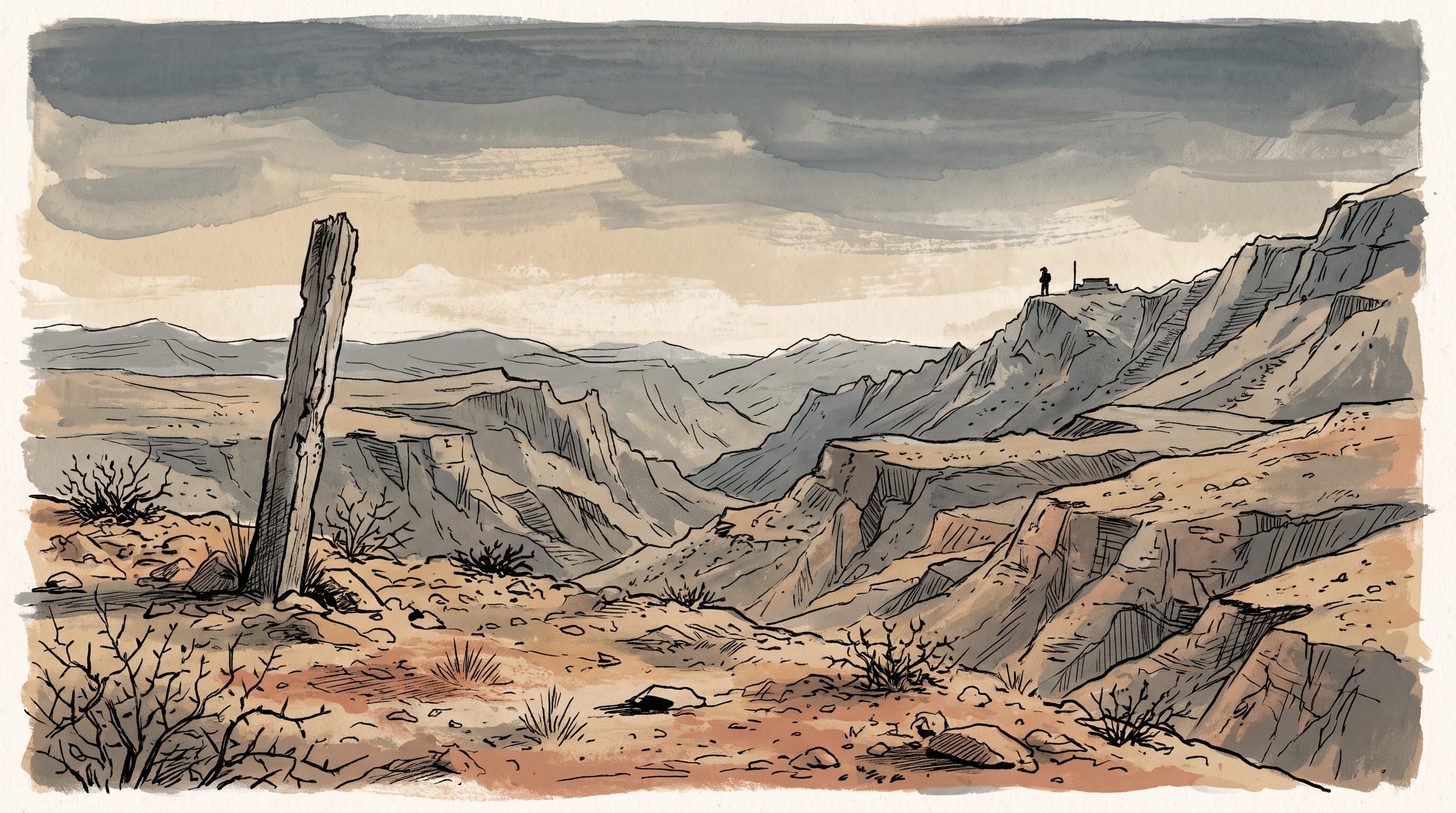
Picture: illustration, not a photograph of the events.
Related Articles
LiveAfrican
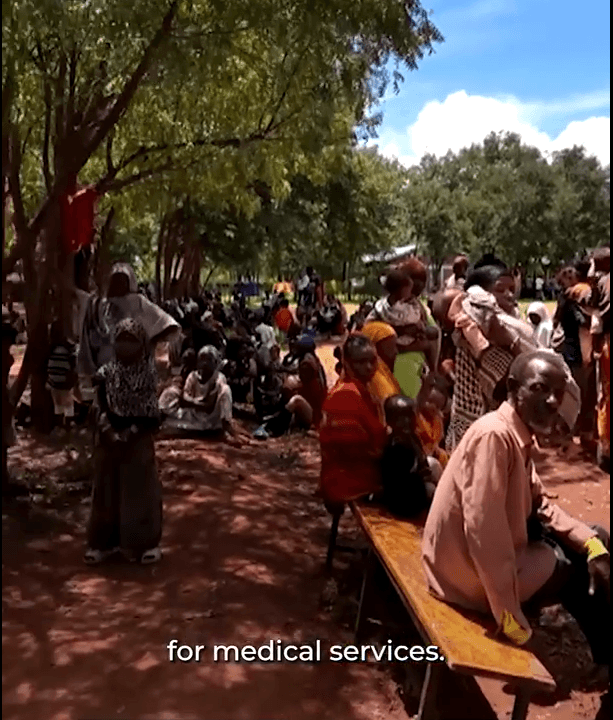
Gunfire on Ethiopia-Kenya border drives residents into Kenya and strands cargo trucks
Sporadic gunfire on the Ethiopian side of the border with Kenya has sent residents fleeing into Kenya, while cargo trucks remain stuck at the crossing. It is not yet known who is firing or how many people have been displaced.
African
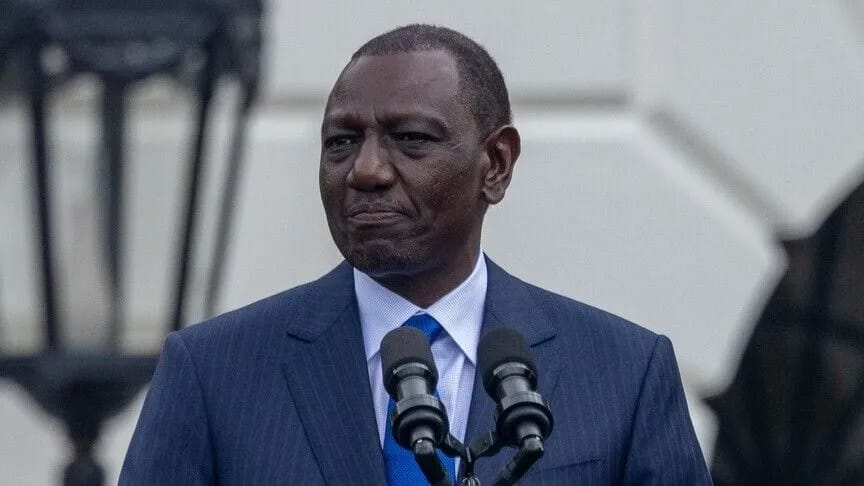
UN Briefing Notes Kenya Hosting Ethiopians, Alongside Ukraine and Iran Updates
A United Nations news digest has noted that Kenya is hosting Ethiopians, alongside updates on civilian safety in Ukraine and the IAEA's efforts to gain access in Iran. Details of the Ethiopian item, including numbers and circumstances, have not yet been made public.