US Midterms: Projected Democratic Gains Put House Majority Within Reach as Senate Control Remains Undecided
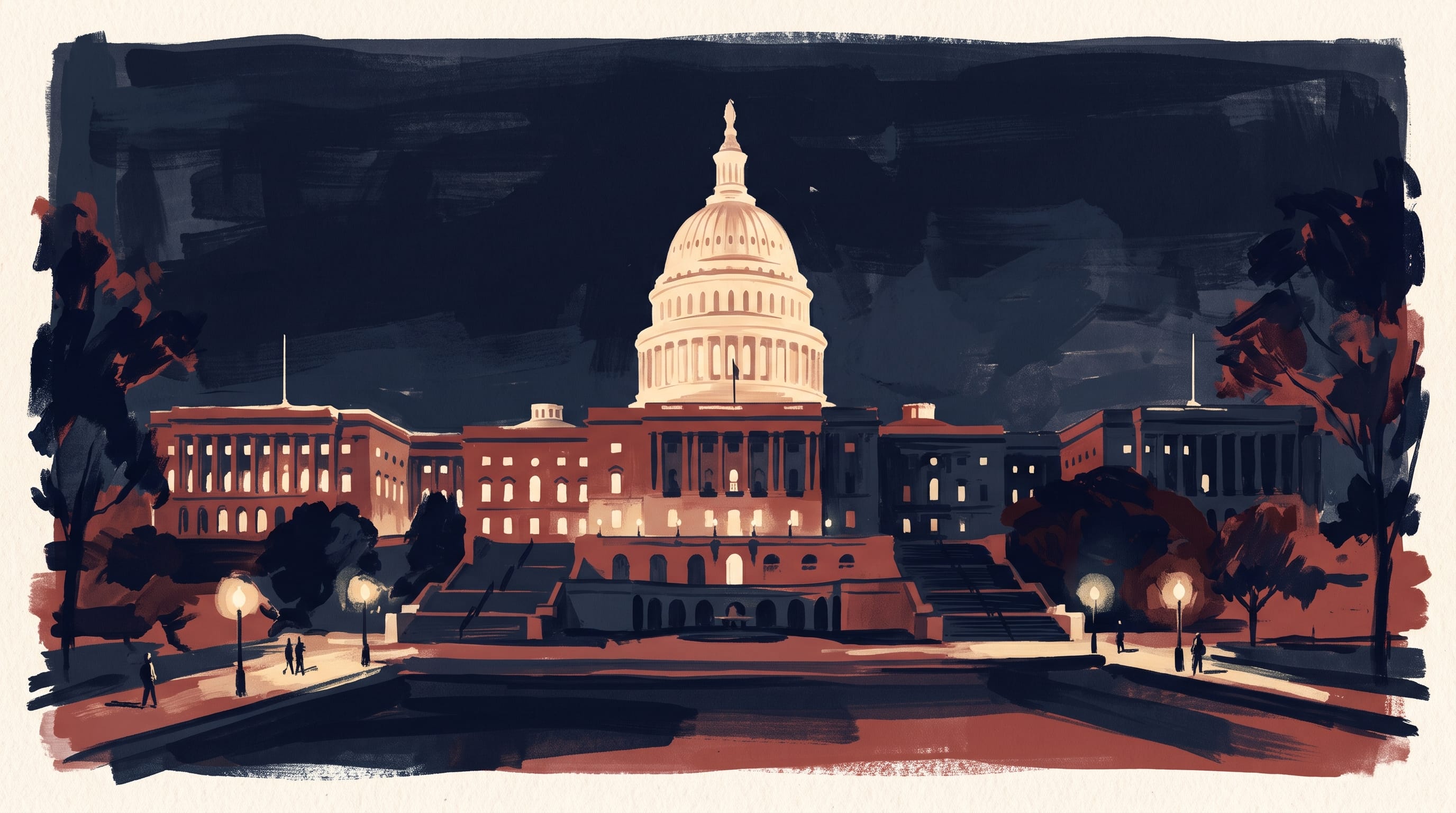
WASHINGTON — Democrats are positioned to win a majority in the US House of Representatives after flipping key congressional districts in the Rust Belt, the South and the West, according to projections as returns continued to arrive on election night in the midterm elections. Control of the Senate remains undecided, with several closely contested races separated by narrow margins.
Republicans entered the election holding a 53–47 majority in the Senate.
The campaign unfolded amid voter concern over the cost of living, foreign conflicts and the scope of executive power. If the projections hold, the result would produce a divided government in Washington, giving Democrats greater ability to challenge the president's agenda.
Legislative agenda
A House majority would give Democratic leaders control over committee schedules, floor debate and which bills come up for a vote. Administration proposals on taxes, deregulation and immigration would likely face significant obstacles in a Democratic-led chamber.
Democrats have campaigned on several domestic priorities, including:
- Preserving and expanding Affordable Care Act subsidies and broadening Medicare drug price negotiation.
- Opposing proposed cuts to federal safety-net programs.
- Advancing worker protections, federal wage standards and renewable energy incentives.
The scope for major legislative wins would remain limited. In the Senate, most significant bills need 60 votes to overcome a filibuster unless the majority changes chamber rules, and any measure that clears Congress could be vetoed by the president. Overriding a veto requires a two-thirds vote in both chambers.
Oversight and subpoenas
Control of committees such as House Oversight and House Judiciary, and, if the Senate changes hands, the Senate Homeland Security and Governmental Affairs Committee, would give Democratic chairs subpoena authority. Areas Democrats could examine include:
- The enforcement and economic effects of the administration's tariffs.
- White House foreign policy and military directives.
- Possible conflicts of interest, agency staffing decisions and the personal finances of executive branch officials.
Such investigations could require the administration to devote substantial resources to responding to congressional requests and could bring internal communications into public view.
Confirmations at stake
The Senate's role in confirming presidential nominees makes control of that chamber especially consequential. A Democratic majority could slow or block judicial nominees to district courts, appeals courts and, should a vacancy arise, the Supreme Court. Cabinet picks, agency heads and members of independent regulatory boards would also face closer scrutiny, which could push the White House toward consensus candidates or leave more posts filled by acting officials.
Budget confrontations
The US Constitution requires revenue bills to originate in the House, and by long-standing practice annual spending bills also begin there. A Democratic House would therefore hold the opening position in budget negotiations and could seek policy concessions, move to withhold funding for contested executive actions and protect domestic grant programs. With power divided between the parties, deadlines over government funding and the debt ceiling could become recurring flashpoints.
Looking ahead to 2028
Beyond day-to-day governance, a congressional majority would give Democrats a platform to shape the national debate ahead of the 2028 presidential race through hearings, legislation and a focus on economic issues. Final results in both the House and Senate are still pending.
Comments
Related Articles
World
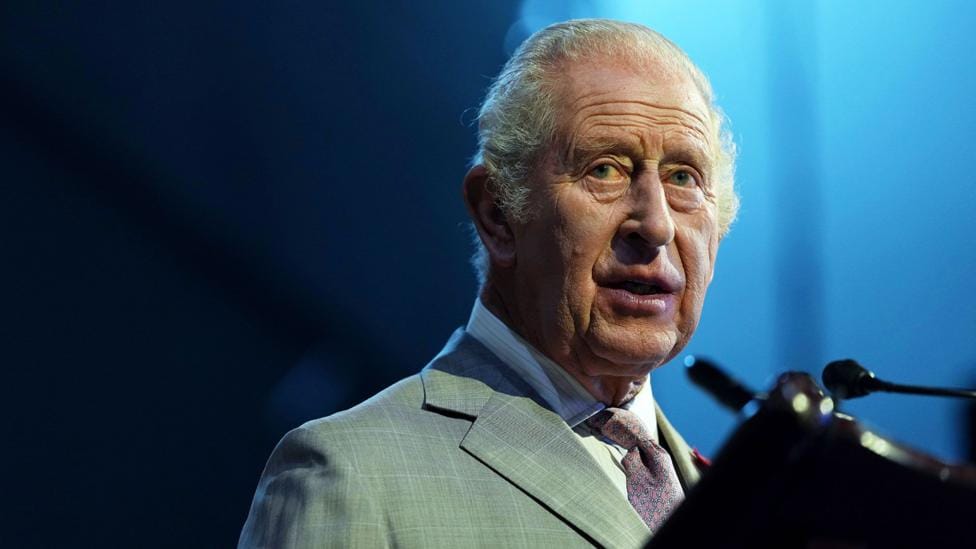
King Charles calls slave trade a 'shameful chapter' at Commonwealth summit in Antigua but does not apologise
King Charles III told Commonwealth leaders in Antigua and Barbuda that the transatlantic slave trade was a "shameful chapter of history" and expressed personal sorrow, but did not issue a formal apology. Prime Minister Andy Burnham has said he is open to an apology but has ruled out reparations.

World
Addis Ababa Prepares to Host Major Health Conferences Amid Broader Urban Renewal
Addis Ababa is set to host major international health assemblies, including CPHIA 2026 and a WHO global meeting, alongside continental summits on early warning systems and sustainable urban development.

World