Ethiopia
Tigray rebels urged to disarm as a commander vows to keep fighting
Share:
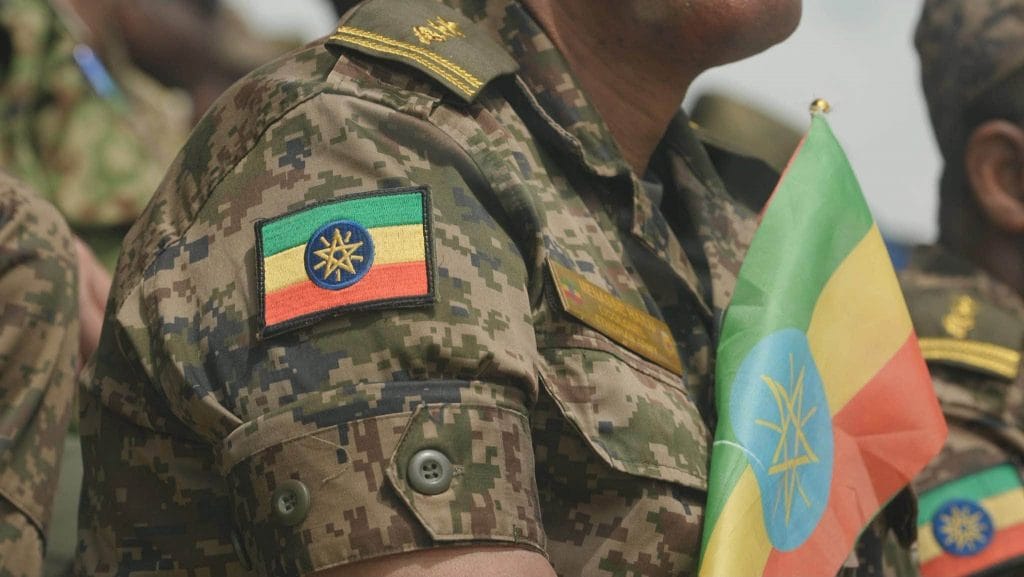
Rebels in Ethiopia's northern Tigray region have been urged to disarm, but a commander has vowed to keep fighting the federal government, according to reports by The Washington Post, Al Jazeera and AP News.
The standoff matters because Tigray is still recovering from one of the deadliest conflicts of recent decades. A renewed armed challenge to the federal government, even a limited one, could strain a peace agreement that has held, often uneasily, since late 2022. It could also endanger civilians who remain displaced or dependent on aid.
All three outlets report the same two developments. Rebels in Tigray have been called on to give up their weapons, and a commander has rejected that call and said the fighting will continue. AP News and The Washington Post reported that the commander vowed to "fight on." Al Jazeera reported that the commander vowed to fight Ethiopia's government, naming the federal authorities as the target.
The available reporting does not give the size of the rebel force, the territory it controls or whether there has been recent fighting.
The terms of the disarmament call are also unclear. It is not known whether it came with a deadline, an offer of amnesty or reintegration, or a threat of force. Nor is it clear whether federal officials, Tigray's regional authorities or outside mediators made the appeal.
War broke out in Tigray in November 2020 between Ethiopia's federal government and its allies on one side and forces loyal to the Tigray People's Liberation Front (TPLF), which then governed the region, on the other. Over two years the conflict drew in Eritrean troops and forces from the neighbouring Amhara region. Estimates of the death toll run to the hundreds of thousands, including many deaths from hunger and lack of medical care as well as from violence.
The fighting ended with a cessation-of-hostilities agreement signed in Pretoria, South Africa, in November 2022. The deal, brokered by the African Union, committed Tigrayan forces to disarm, demobilise and reintegrate their fighters. It also provided for an interim regional administration and the restoration of federal services to the region.
Implementation of the agreement has been slow and disputed. Disarmament, the return of displaced people, control of contested territory and divisions within Tigray's political leadership have all caused friction. The reports do not make clear how the group in this story relates to the TPLF, the interim administration or the forces covered by the Pretoria agreement.
Several questions will shape what happens next: how the federal government responds to the commander's refusal, whether Tigray's regional leadership backs the call to disarm, and whether the African Union or other guarantors of the Pretoria agreement intervene. It is also unclear how much support the commander has among Tigrayan fighters, and whether other armed units will heed the call to fight or the call to lay down arms.
Sources: The Washington Post, Al Jazeera, AP News
LiveEthiopia
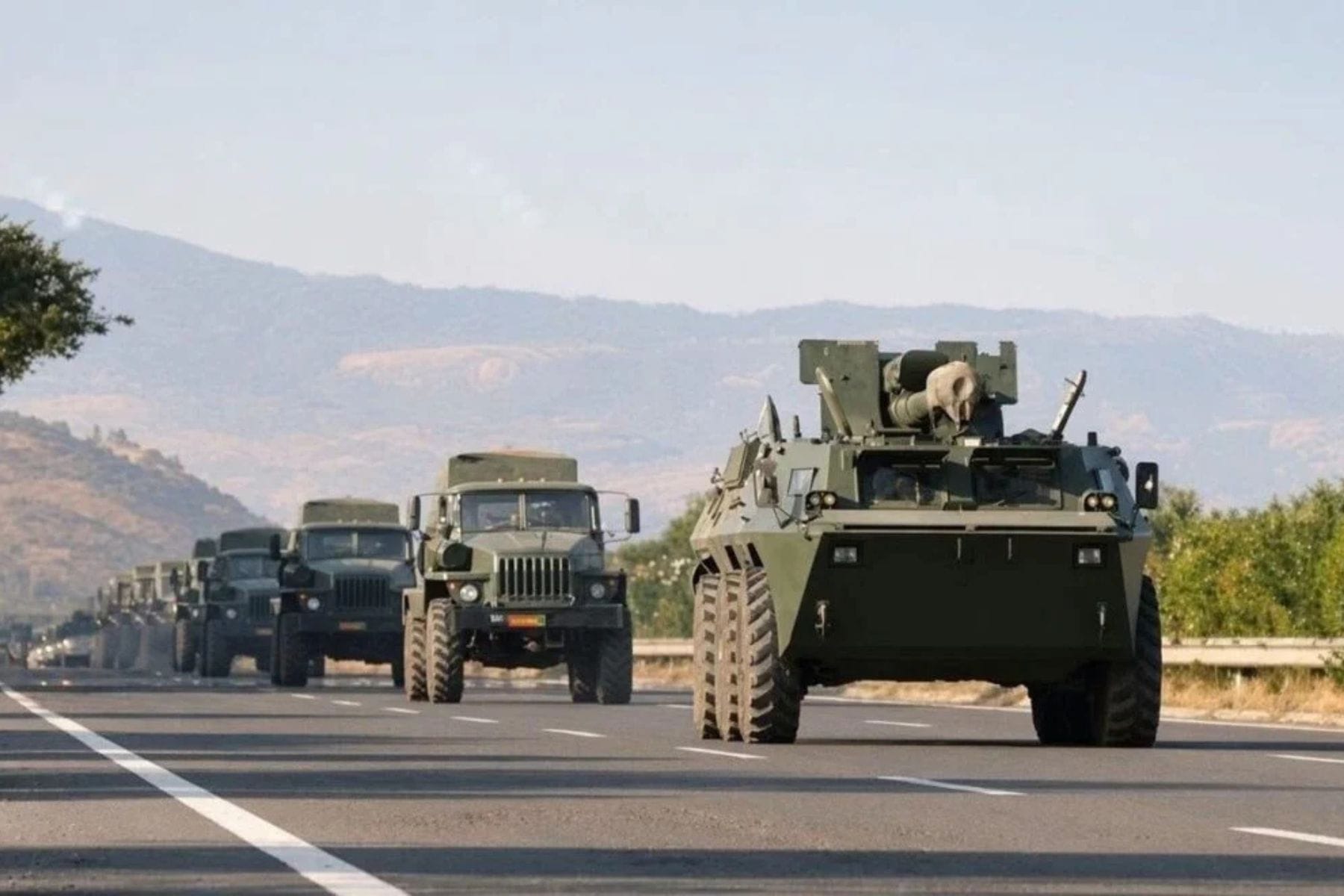
The war of words between Ethiopia's federal government, Eritrea and the Tigray People's Liberation Front appears to be intensifying, according to regional media reports. The exchanges add to concerns about the fragile peace in northern Ethiopia.
LiveEthiopia
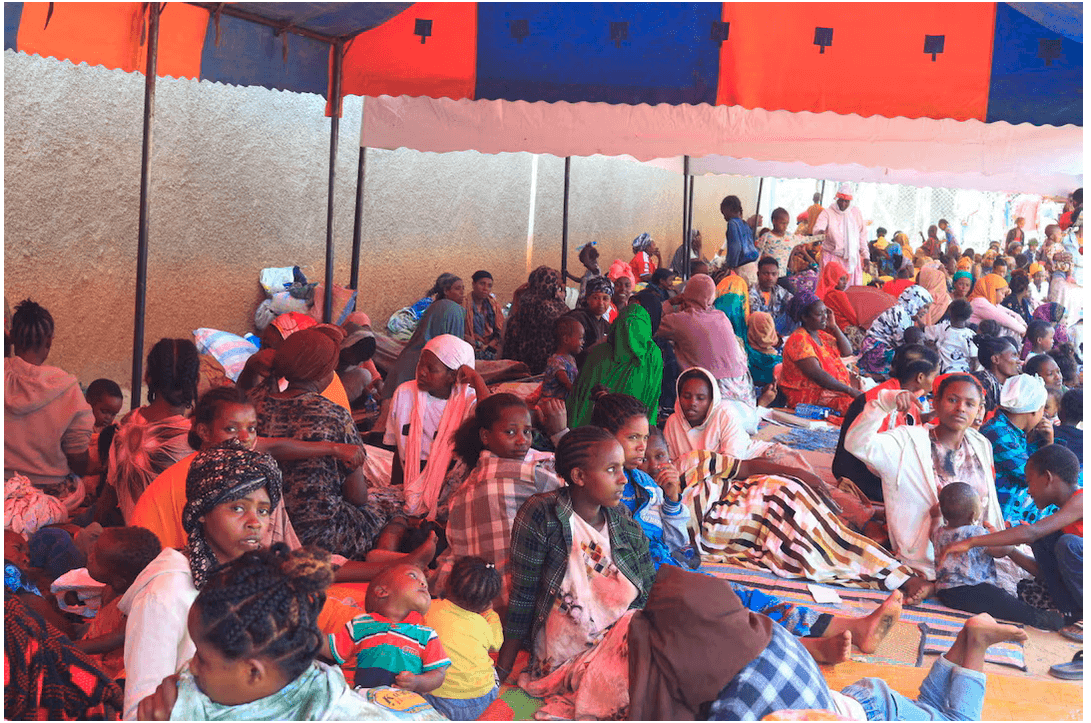
More than 14,000 Ethiopians have crossed into Kenya to escape fighting in and around the border town of Moyale, the Kenya Red Cross said on Saturday. At least nine people have been reported killed.