Opinion
Addis Ababa Residents Organize Online Boycott of Upscale Butcheries Over Meat Prices
Share:
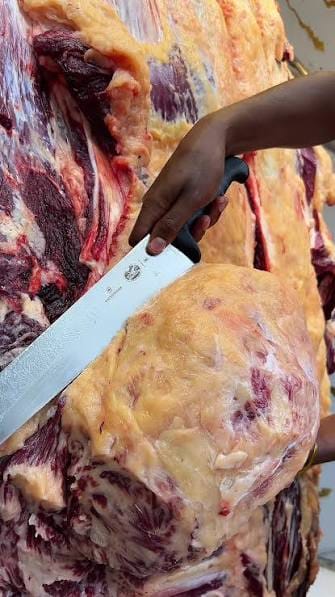
Residents of Addis Ababa have in recent weeks organized a consumer boycott of beef and other meat sold at upscale butcheries, according to The Reporter Ethiopia. The campaign follows reports that prices at some of these outlets have reached as much as 6,000 birr per kilogram, the newspaper said.
The campaign has spread mainly through social media. Organizers are urging shoppers to avoid premium meat shops until prices come down. The Reporter discussed the boycott in a commentary arguing that Ethiopia's broader cost-of-living crisis requires urgent policy attention.
The campaign does not appear to have a clear central leadership. It has grown through shared posts, messaging groups and online discussions in which residents compare prices and encourage one another to cut back or buy elsewhere.
Meat holds a central place in Ethiopian food culture, especially during holidays and family gatherings, which makes avoiding it a visible choice for many households. Participants describe the boycott as a way to push back against prices they consider out of reach for ordinary earners.
It is not yet clear how much the campaign has affected sales at targeted butcheries. Businesses have not publicly reported its effects, and no independent data on changes in consumer spending were available.
The boycott comes as Ethiopian households continue to face high living costs. Inflation in recent years has eroded purchasing power across food, housing, transport and other essentials.
Ethiopia is carrying out a major economic reform program. Its central element was the July 2024 move to a market-determined exchange rate for the birr, a step backed by the International Monetary Fund and other lenders. Authorities said the reforms were intended to ease foreign currency shortages, attract investment and stabilize the economy over the long term.
Critics and many consumers say the adjustment has contributed to short-term price increases, particularly for imported goods and inputs. Livestock and meat prices are shaped by several factors, including:
The Reporter's commentary described the boycott as a symptom of deeper strain on household budgets and argued that the government should treat the cost-of-living crisis as a priority.
Economists have pointed to several areas where policy could help:
Government officials have said that monetary tightening and fiscal measures are aimed at bringing inflation down, and have pointed to support programs for vulnerable groups.
The lasting impact of the campaign remains uncertain. Its spread online suggests that frustration over prices has found a new outlet among urban residents.
Whether the campaign leads to lower prices at targeted outlets, or prompts a wider policy response, may depend on how long participants sustain it and whether broader inflation trends ease in the coming months.
Source: The Reporter Ethiopia
Opinion
A commentary published by the Middle East Forum asks whether the U.S. ambassador to Ethiopia is acting in line with President Donald Trump's foreign policy. Addis Gazette has not independently verified the claims suggested by its headline.
Opinion
Ethiopian human rights lawyer Getachew Temare argues that the TPLF faction led by Debretsion Gebremichael lost much of its political, military and diplomatic standing within about a month of renewed fighting. He blames geopolitical miscalculation, military misjudgement and a loss of popular consent.