Tech
Commercial Bank of Ethiopia Opens Tender for 32 DC Fast Chargers for Electric Vehicles
By Addis Gazette Admin1 hour ago3 min read
Share:

The Commercial Bank of Ethiopia (CBE), the country's largest lender, has issued a tender to buy charging equipment for electric vehicles.
The state-owned bank is seeking suppliers for 32 direct-current (DC) fast chargers through national competitive bidding. The tender, Bid Reference No. 12/2026/27, was issued on October 12. Bids are due by 10 a.m. on November 10, 2026, and will be opened at 10:30 a.m. the same day.
CBE has not published a budget or technical specifications for the purchase. Business news outlet Birr Metrics estimated that the equipment and its delivery could cost between 43 million and 89 million birr. The outlet based this estimate on indicative international supplier prices for chargers rated between 60 and 120 kilowatts and an exchange rate of 160 birr to the US dollar.
The estimate excludes installation and upgrades to electrical systems. It could change significantly depending on the specifications the bank sets.
Bidders must submit a bid security of two million birr. Bid securities are a standard procurement requirement and do not reflect the value of the eventual contract.
The tender calls for the chargers to be delivered to the bank's warehouse but does not name installation sites. CBE has not said whether the chargers will serve its own vehicle fleet, be installed at branches, or be available to customers or the public.
The tender also does not make clear whether the contract will include related work, which could add substantially to the total cost. This work includes:
CBE has branches across the country but has not announced a nationwide charging programme.
The tender comes as electric vehicles take a growing share of Ethiopia's transport sector. In 2024, the government restricted imports of conventional vehicles with internal combustion engines. One aim of the policy is to reduce reliance on imported fuel. Ethiopia pays for this fuel with scarce foreign currency, and it leaves transport costs exposed to changes in global oil prices.
Most of Ethiopia's electricity comes from hydropower, which gives electric transport a domestic energy source. Wider use of electric vehicles, however, also requires investment in power distribution, reliable grid connections and charging networks.
DC fast chargers deliver direct current to a vehicle's battery and bypass the vehicle's onboard charger. This allows faster charging than standard alternating-current (AC) units. Actual charging speed depends on the charger's rated output, the vehicle's battery and the stability of the power supply.
Organisations with large vehicle fleets can reduce their dependence on outside charging stations by operating their own chargers. Charger installations also create demand for related equipment and services, including transformers, electrical protection systems, installation work and maintenance.
How CBE uses the chargers may indicate how Ethiopia's large financial institutions are responding to changes in the country's transport sector.
Source: Birr Metrics
Picture: Birr Metrics
Tech
Former African leaders have called for faster continental integration and stronger technological sovereignty, according to Ethiopia's state-run news agency. The available report summary did not name the leaders or detail their proposals.
Tech
The National Bank of Ethiopia has joined a pan-African payments system, according to Addis Standard. The terms, timeline and participating commercial banks have not yet been made public.
Tech
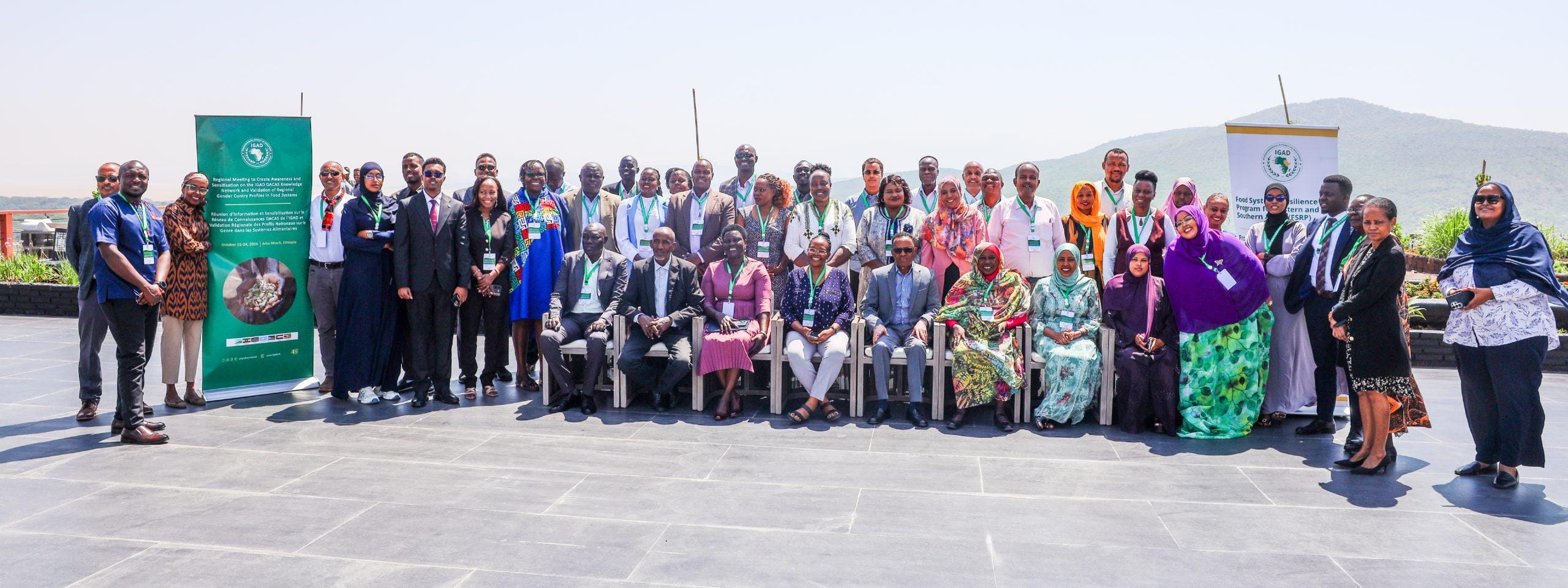
Agricultural and climate specialists meeting in Arba Minch called for national coordination structures and shared regional data standards to expand digital climate advice for farmers and herders. The IGAD meeting also validated a regional synthesis of gender profiles in food systems.