Sudan accuses Ethiopia of letting its territory be used for drone strikes on power and water facilities
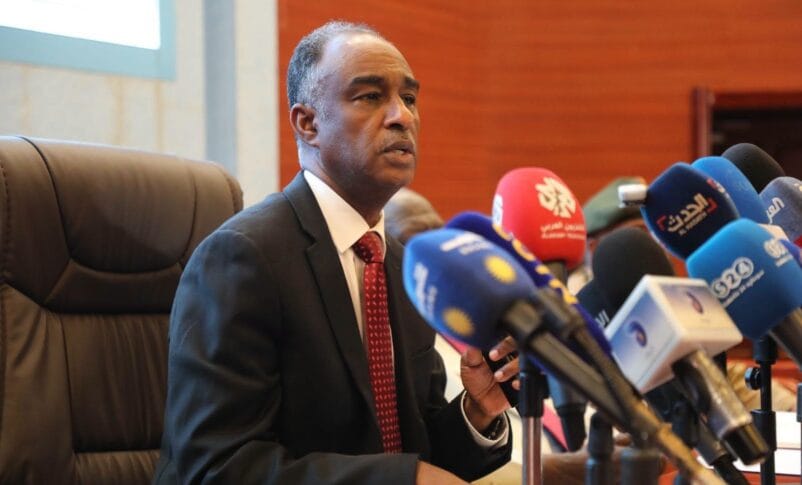
Sudan's Ministry of Foreign Affairs has accused Ethiopia of allowing its territory to be used as a launchpad for drones striking facilities inside Sudan, including power stations, water plants, fuel depots and hospitals.Ministry Undersecretary Muawiya Osman made the accusation on Saturday in Port Sudan during a briefing for representatives of diplomatic missions accredited to Sudan, according to the Sudanese newspaper Al-Taghyeer. Other Arabic-language outlets also reported the accusation, including Asharq News, Tawasul News Network and Sudan Tribune. The Sudanese government's account amounts to an accusation that Ethiopia has become a party to the war in neighboring Sudan. The claims could deepen tensions between the two countries at a time when millions of Sudanese are facing the collapse of basic services
Accusations of a "proxy war"
According to Al-Taghyeer, Osman said the meeting was intended to urge the international community to take responsibility for confronting what he called "the brutal aggression coming from the state of Ethiopia." He said the attacks had hit infrastructure, particularly power generation facilities, water stations, schools, hospitals and fuel stations, and that they had become more frequent in recent months.
Osman also accused Ethiopia of taking part in a "proxy war" on behalf of regional parties and states, naming the United Arab Emirates first among them. He said "the militia" was carrying out the attacks. The Sudanese government typically uses that term for the Rapid Support Forces (RSF). In its headline, the Tunisian outlet Babnet presented the accusation as directed at both Ethiopia and the UAE. Al-Taghyeer did not report whether Osman presented evidence directly linking the UAE to the attacks.
The Assosa site
Osman singled out a base in Assosa, the capital of Ethiopia's western Benishangul-Gumuz region, near the Sudanese border. He said it had become a hub for supplying "the militia" with weapons and equipment and for helping foreign fighters cross the border. The most serious issue, he said, was the use of Ethiopian territory and bases to launch drones.
The Egyptian outlet Sada El Balad described the site differently. Its headline said Sudan had accused Ethiopia of using Assosa airport to launch RSF drones, while Al-Taghyeer referred to a base. The available reporting does not make clear whether the two descriptions refer to the same facility.
During the briefing, a security official showed the diplomats the wreckage of drones he said had been shot down, according to Al-Taghyeer. The newspaper did not report what type of drones they were, where they were brought down or what evidence connects them to Ethiopian territory.New attacks on the power grid
The accusations follow renewed attacks on power infrastructure since last week. Al-Taghyeer reported that more than 13 power distribution stations had been attacked and heavily damaged in Gedaref, Khartoum, Al-Jazira, Red Sea, Sennar, White Nile and South Kordofan states, cutting electricity to a number of cities. The report did not give casualty figures, say whether anyone had claimed responsibility or specify where the drones used in these attacks were launched from. Diplomacy and the right to respond
Osman said the Sudanese government is working through diplomatic channels to de-escalate and to repair relations with Ethiopia. He added that Sudan retains its full right under international law to respond to any aggression, according to Al-Taghyeer. Several outlets led with that point. The Lebanese newspaper Ad-Diyar reported Osman as saying that Sudan reserves the right to respond to Ethiopia and that the international community should act. Sudan Tribune and Sada El Balad also highlighted in their headlines that Sudan is holding to its right to respond.
Al-Taghyeer's report did not include a response from the Ethiopian government or from the UAE.
Background
Sudan has been at war since April 2023, when fighting broke out between the Sudanese Armed Forces and the RSF. The conflict has displaced millions of people and created one of the world's largest humanitarian crises. The army-aligned government relocated to Port Sudan, on the Red Sea coast, after fighting broke out in Khartoum. The Sudanese government has repeatedly accused the UAE of backing the RSF, which Abu Dhabi denies.
Relations between Sudan and Ethiopia have been repeatedly strained in recent years, most notably over the disputed al-Fashaga border area and the Grand Ethiopian Renaissance Dam (GERD).
What's next
It is not clear whether Sudan will take its complaint to the UN Security Council, the African Union or the Intergovernmental Authority on Development (IGAD). The diplomatic missions that attended the briefing have not made their positions public. There has been no independent verification of the displayed wreckage or of the claims about the Assosa site.
Sources: Al-Taghyeer (Sudanese newspaper), Asharq News, Babnet, Ad-Diyar, Tawasul News Network, Sada El Balad, Sudan Tribune
Related Articles
World
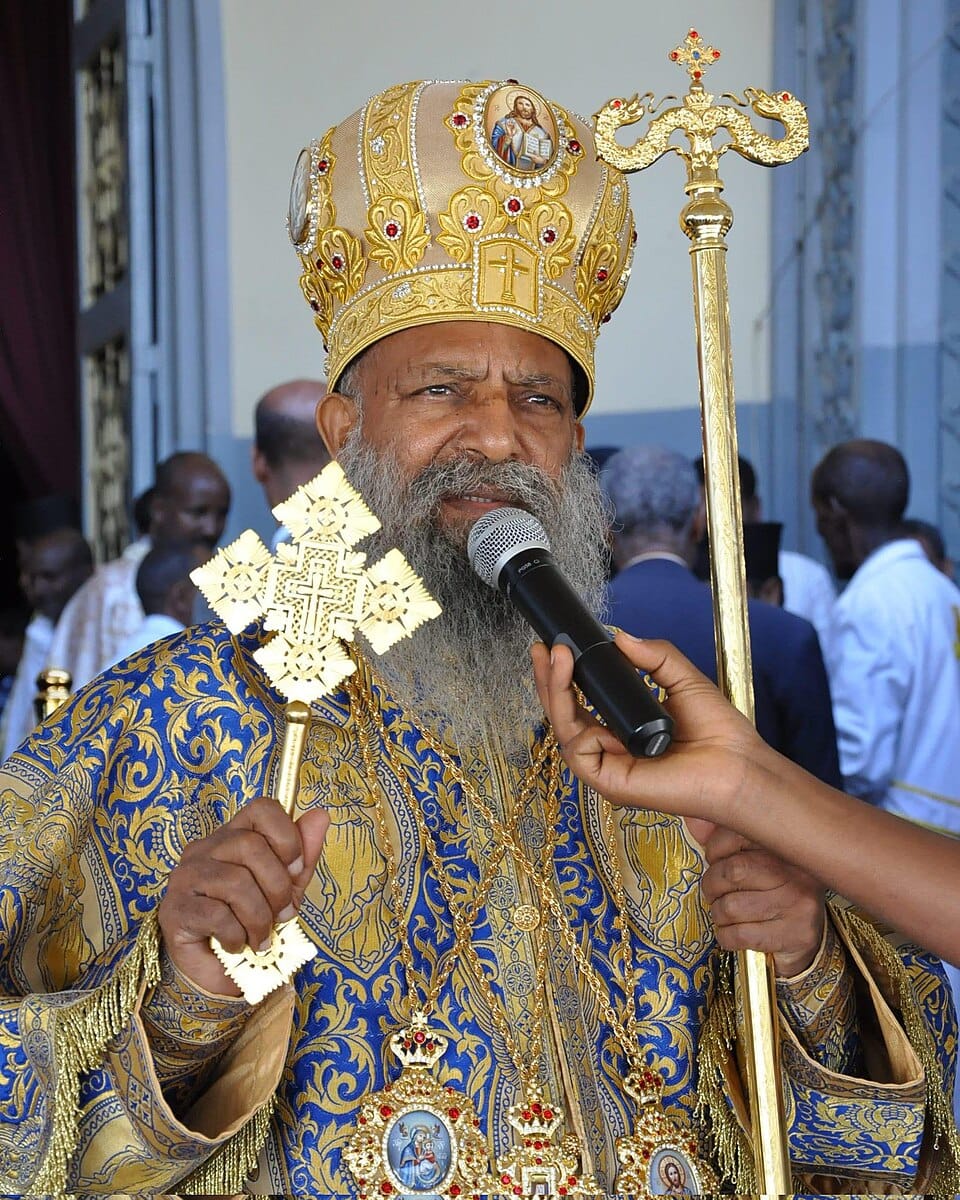
Dozens of Orthodox Christians Reported Killed in Attacks in Ethiopia's Oromia Region
Media reports say dozens of members of the Ethiopian Orthodox Tewahedo Church have been killed in armed attacks in Ethiopia's Oromia region. Reported death tolls vary, and the perpetrators have not been identified.

World
Trump calls Brazil vote 'rigged' without evidence as Bolsonaro's party accepts Lula's victory
U.S. President Donald Trump said Brazil's presidential election, won by Luiz Inácio Lula da Silva, looked rigged but offered no evidence. Defeated candidate Flávio Bolsonaro has not conceded, though his Liberal Party has said it recognises the result.