Ethiopia's Central Bank Joins Pan-African Payments System, Addis Standard Reports

The National Bank of Ethiopia (NBE) has joined a pan-African payments system, according to a brief published by Addis Standard. The move links Ethiopia's central bank to continental efforts to make payments between African economies faster and cheaper.
The report did not include the terms of the arrangement, a timeline for implementation, or the Ethiopian commercial banks that will take part. Addis Gazette has not independently confirmed these details.
What a pan-African payments system does
The best-known platform of this kind is the Pan-African Payment and Settlement System (PAPSS). It was developed by the African Export-Import Bank (Afreximbank) in collaboration with the Secretariat of the African Continental Free Trade Area (AfCFTA) and was commercially launched in January 2022.
Such systems are designed to let a buyer in one African country pay a seller in another, with each side using its own local currency. Many of these payments are currently routed through correspondent banks outside the continent and converted through major foreign currencies, most often the US dollar. This adds:
- Cost: fees charged at several stages of a transaction
- Delay: settlement that can take days rather than minutes
- Pressure on reserves: demand for scarce foreign currency
In these arrangements, central banks typically act as settlement agents, while commercial banks and other licensed payment providers connect to the network to serve their customers.
Relevance for Ethiopia
Settlement of Ethiopia's regional trade has long been tied to foreign exchange constraints. Importers and exporters have reported difficulty obtaining hard currency, and the country has been carrying out wide-ranging economic reforms, including the move to a market-based exchange rate for the birr in July 2024.
Over time, a continental payments link could reduce Ethiopian traders' need for US dollars when dealing with African partners. It could also lower transaction costs for:
- small and medium-sized enterprises
- exporters selling to neighbouring markets
- individuals sending money across borders
Ethiopia is a state party to the AfCFTA, which aims to create a single continental market for goods and services. Supporters of the agreement have argued that tariff cuts alone will not be enough to grow intra-African trade, and that practical barriers, including how payments are made and settled, must also be addressed.
Open questions
Several questions remain unanswered:
- When will Ethiopian banks begin processing transactions through the system?
- Which institutions will connect first?
- How will the arrangement interact with Ethiopia's foreign exchange regulations?
The practical impact of joining a regional payment network is likely to depend on how many banks and businesses adopt it, and on whether trading partners in other countries are also connected.
The move follows other steps by Ethiopian financial authorities in recent years to modernise the country's payments infrastructure and open the financial sector. The National Bank of Ethiopia had not published further details on the integration at the time of writing.
Source: Addis Standard
Picture: illustration, not a photograph of the events.
Comments
Related Articles
Tech
Former African Leaders Urge Faster Integration and Technological Sovereignty, ENA Reports
Former African leaders have called for faster continental integration and stronger technological sovereignty, according to Ethiopia's state-run news agency. The available report summary did not name the leaders or detail their proposals.

Tech
የኢትዮጵያ ንግድ ባንክ ለኤሌክትሪክ ተሽከርካሪዎች 32 የዲሲ ፈጣን ቻርጀሮችን ለመግዛት ጨረታ አወጣ
በመንግሥት ይዞታ ሥር የሚገኘው የኢትዮጵያ ንግድ ባንክ ለኤሌክትሪክ ተሽከርካሪዎች የሚውሉ 32 የቀጥታ ጅረት (DC) ፈጣን ቻርጀሮችን የሚያቀርቡ አቅራቢዎችን እየፈለገ ነው። የጨረታ ሰነዶች የሚቀርቡበት የመጨረሻ ቀን ኖቬምበር 10 ቀን 2026 ነው። ባንኩ በጀቱን፣ የቴክኒክ ዝርዝር መግለጫዎቹንም ሆነ ቻርጀሮቹ የሚተከሉበትን ቦታ ይፋ አላደረገም።
Tech
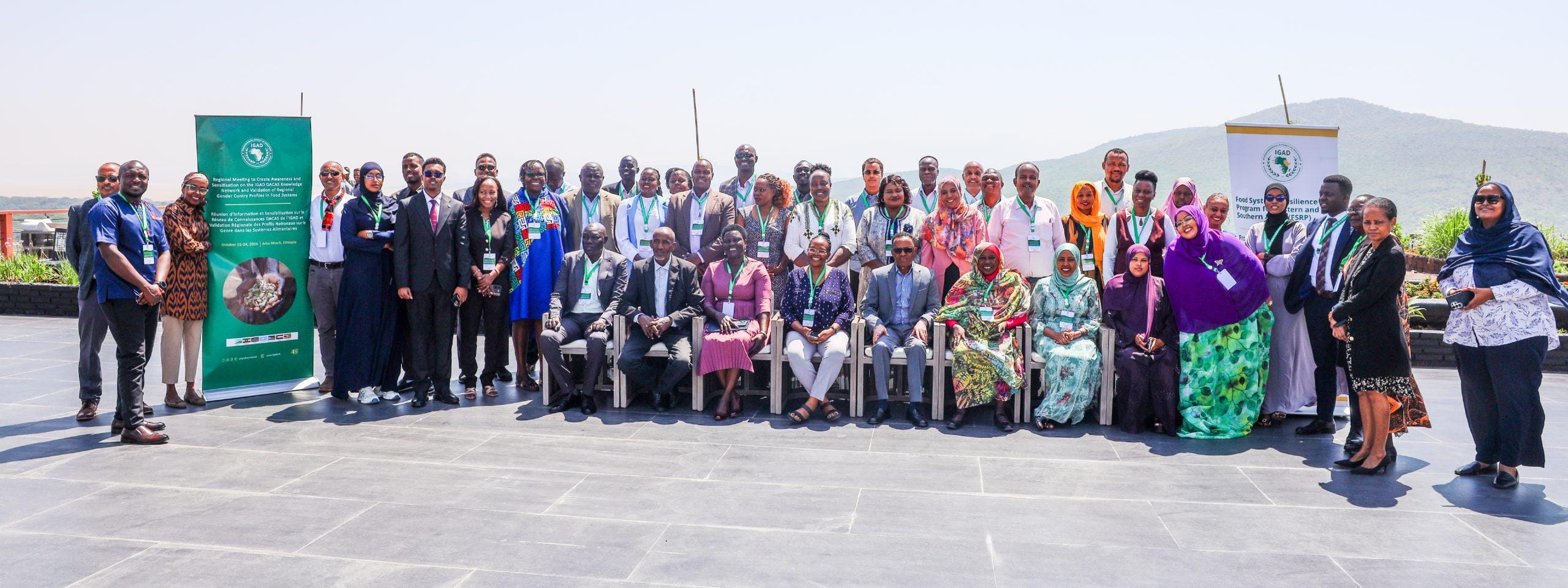
IGAD Experts Urge Coordinated Digital Climate Advice for Farmers, Review Gender Gaps in Food Systems
Agricultural and climate specialists meeting in Arba Minch called for national coordination structures and shared regional data standards to expand digital climate advice for farmers and herders. The IGAD meeting also validated a regional synthesis of gender profiles in food systems.